
Immersive Marketing: How VR And AR Can Transform Customer Experiences
Brands are constantly seeking innovative ways to connect with their audiences. Today, virtual reality (VR) and augmented reality (AR) are no longer just futuristic concepts. They are powerful tools reshaping how marketers tell stories, engage customers and drive loyalty.
Some of our clients are including experiential marketing in their 2026 strategies. The use of AR and VR at these types of in-person events and activations is a great opportunity to engage communities and leave a lasting impression. It's also an easy way to introduce AI to events in a way that feels authentic and not scary. The real-world application of these strategies inspired me to dive into AR and VR in a marketing context for this piece.
When marketers incorporate VR and AR into their campaigns, they can create immersive experiences that captivate audiences and unlock new opportunities for personalized marketing strategies.
Understanding Virtual And Augmented Reality
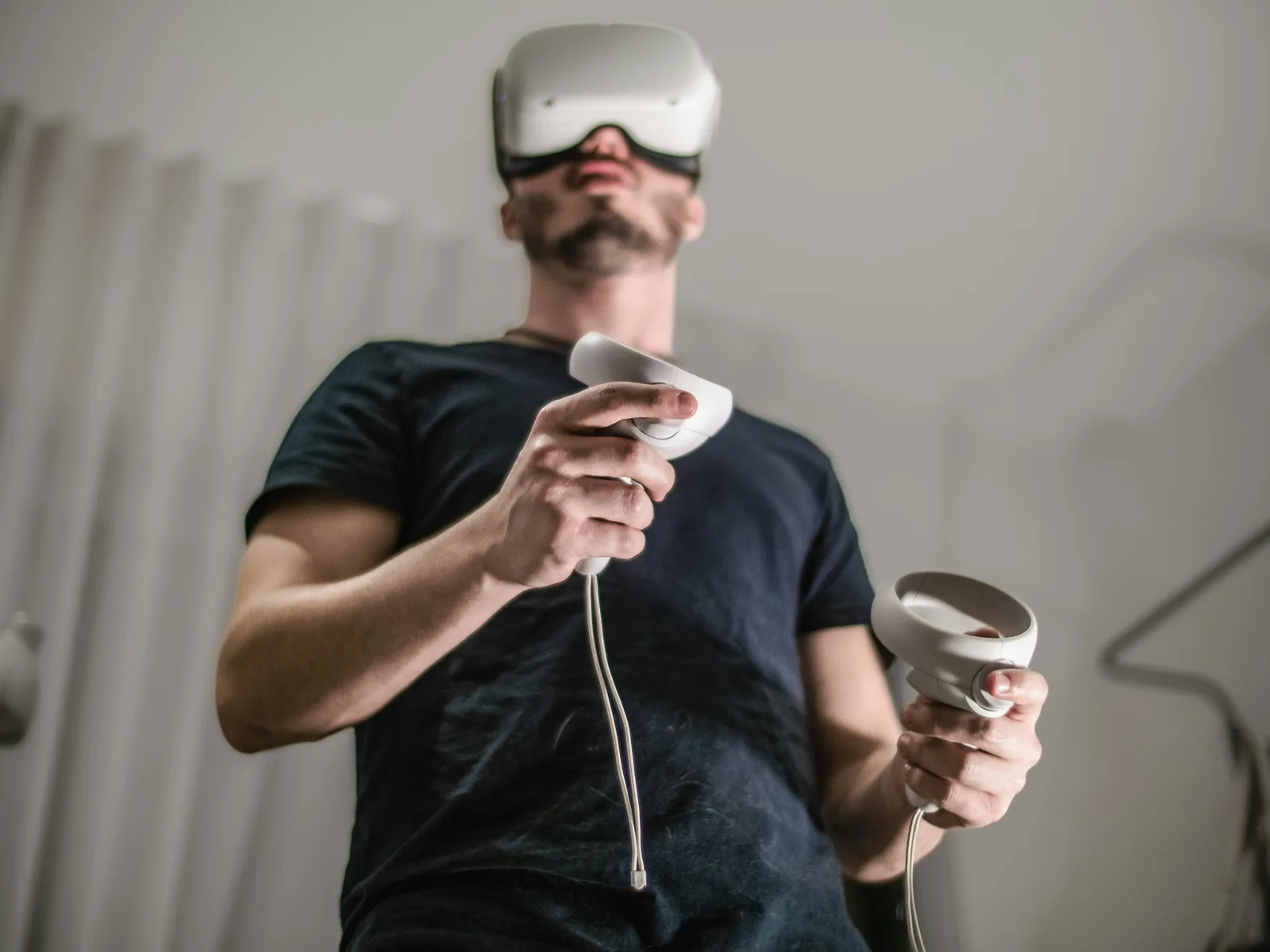
Virtual reality, as defined by Southern Methodist University (SMU), is a "fully-simulated environment that immerses users in a computer-generated, three-dimensional world, completely replacing the awareness of the real-world environment." This allows users to interact with new technology in a way that feels tangible. VR often requires specialized equipment, such as headsets, to deliver a fully transportive experience.
On the other hand, augmented reality "integrates digital content into the real-world environment, enhancing the user's perception and interaction with their surroundings in real time." SMU notes: "AR technology overlays computer-generated elements such as images, videos or 3D models onto the user's view of the physical world. This seamless integration opens possibilities for creative and practical applications while enhancing the user’s interaction with the physical world around them."
Real-World Applications Of AR And VR In Marketing
One of the most common uses of augmented reality in marketing is helping customers visualize products in their own spaces. For instance, Amazon’s "View in your room" feature allows customers to scan a room in their home to see how a carpet or piece of furniture will look before making a purchase. Similarly, L’Oréal has enabled customers to try on makeup using their "Virtual Makeup Try-On" feature.
Applications like this not only enhance the shopping experience but can also reduce return rates. Some businesses have seen 22% to 40% reductions in return rates due to the use of augmented reality.
What Nigerian gamers are saying
Your comment also appears in the linked NairaGame community thread.
More Posts

MaliyoCON Expands to Three Lagos Days for Studios, Investors and Players
Read More
Modern Warfare 4 Is Live: Check Your SSD and PC Security Requirements
Read More
Filmhouse Takes The Hunger Games Challenge to Lagos
Read More
Lagos Studio Adds Match Trophies to Origin Wars
Read More
NGLA Unity Series: Next Round
Read More